
How to Prevent Frozen Pipes in Live Oak Homes This Winter
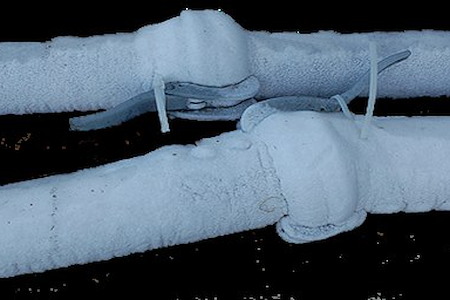
Cold snaps in North Florida can hit fast, and when temperatures dip, water inside your pipes can freeze and expand. That pressure can split a line and flood a room in minutes, so it pays to act early with professional plumbing repairs and preventive care that fits Live Oak’s unique mix of block homes, crawl spaces, and well systems.
Why Frozen Pipes Happen in Florida Homes
Even in Florida, rapid temperature drops push uninsulated or exposed lines below freezing, especially in attics, garages, exterior walls, and under mobile homes. Homes that sit on piers or have vented crawl spaces face colder air moving around the pipes, which steals heat quickly and raises the risk of a sudden freeze.
Another trigger is water sitting still in small sections of pipe. When faucets stay off for long stretches during a hard freeze, standing water becomes an easy target for ice. Don’t ignore a sudden trickle or a faucet that stops and starts during a cold night; it often signals ice forming somewhere in the line and pressure building behind it.
Professional Pipe Insulation That Works in Live Oak
A licensed plumber will identify vulnerable runs and add the right protection in each area. That often includes professional-grade sleeves on exposed lines, vapor‑appropriate insulation for coastal humidity, and heat cables with built‑in thermostats where conditions demand an added safety margin.
Attics above bathrooms and kitchens matter because wind can push cold air through soffits and lower the temperature around supply lines. Garages and utility rooms that share walls with the outdoors are common weak points, too. A pro examines each space, chooses materials that won’t trap moisture, and seals gaps that allow drafts to reach the pipe surface. Skipping proper materials or leaving small gaps can undo the whole insulation job.
Monitor Water Pressure Before It Becomes a Burst
Pressure spikes are what turn a frozen section into a burst pipe. Your plumber can check baseline PSI, set or replace a pressure‑reducing valve if needed, and install smart monitors that alert you when pressure changes or flow stops unexpectedly.
In homes around rural Live Oak where wells are common, pressure tanks and switches should be checked before the first freeze of the season. A tank that’s waterlogged or a switch out of calibration can swing pressure up and down, stressing older lines. Pairing professional monitoring with seasonal inspections reduces the risk that a quiet overnight freeze turns into a morning leak behind a wall.
Smart Cold‑Snap Prep for Wells, Crawl Spaces, and Mobile Homes
Well houses and pump covers need attention because short freezes target small, exposed components first. Your plumber can fit protective covers, add targeted insulation, and verify that any heat source is safe and code‑compliant for the space.
Crawl spaces in older Live Oak homes deserve a careful walkthrough. A pro will look for uninsulated spans, sagging or missing vapor barriers, and open vents that funnel cold air along pipes. Manufactured homes face similar exposure beneath the floor; skirting gaps, missing belly wrap, and thin insulation all raise risk. The right fix blends safe access, moisture control, and pipe protection so you’re not trading a freeze problem for a mildew problem later.
Emergency Preparedness When a Hard Freeze Is Coming
When forecasts point to sub‑freezing temperatures, a quick professional check can make all the difference. Your plumber can confirm insulation coverage, test shutoff valves, and verify that outdoor fixtures are ready for a long, cold night.
- Have exterior hose bibs evaluated and protected with the right covers for your home’s material and exposure.
- Ask about smart leak and temperature sensors for attics, garages, and under‑sink cabinets that send alerts if water or freezing temperatures are detected.
- Ensure interior shutoff valves turn easily so a room can be isolated quickly if a line fails.
Inside the home, open access around sinks and vanities so warmer air can reach the plumbing. If your property will be vacant, coordinate with your plumber to set safe indoor temperatures and confirm that monitoring alerts will reach you or a trusted contact. For more seasonal guidance, scan our latest winter plumbing tips before the temperature drops.
Long‑Term Upgrades to Winterize Your Plumbing
Some homes benefit from strategic rerouting that removes long, exposed runs from attics or exterior walls. Adding shutoff valves at logical points makes future maintenance faster and limits water exposure if something does fail.
- Install protective boxes or enclosures for hose bibs and yard hydrants that face wind and shade.
- Consider pro‑installed heat cables on high‑risk stretches with automatic controls designed for damp spaces.
- Add smart water main shutoff technology so the line closes automatically when a burst or unusual flow is detected.
If you’re not sure where to begin, schedule a seasonal walk‑through with a licensed plumber in Live Oak. A short, targeted visit maps out priorities, from quick insulation improvements to bigger fixes that cut risk before next winter.
Prevent Burst Pipes in Live Oak With Pro Oversight
Burst pipes usually start with a small oversight, like a gap in insulation above a bathroom or a forgotten hose bib on the north side of a home. A professional inspection finds those weak spots and addresses them with materials suited to our region’s humidity and temperature swings.
Your plumber can also review appliances and fixtures that tie into exposed plumbing, including outdoor kitchens, detached garages, and utility sinks. These out‑of‑the‑way connections are often the first to freeze because they’re lightly used and less insulated than the main house.
What to Watch for During and After a Freeze
Stay alert for changes that suggest trouble. Reduced flow in one room, a noisy tap, or a faint hiss behind a wall can point to ice forming or a slow leak starting to spray. After temperatures rise, look for damp drywall, water at baseboards, or a musty smell near bathrooms or laundry areas.
If you notice water discoloration, a sudden drop in pressure, or a cabinet that feels cool and damp, call a pro immediately. Quick action limits damage to floors, cabinets, and subflooring, and it helps preserve water quality after a line has been stressed by freezing conditions.
Why Professional Help Beats Quick Fixes
Temporary band‑aids don’t hold up under pressure. Materials that aren’t designed for damp spaces can trap condensation and feed mold, while poorly placed insulation can hide slow leaks. A licensed plumber chooses products that withstand humidity, temperature swings, and the occasional wind‑driven chill we get during strong fronts.
Professional planning also keeps warranty and insurance concerns in good standing. Documented inspections, proper insulation, and code‑compliant upgrades are easier to maintain and explain if you ever need to show what was done and why.
Protect Your Live Oak Home With Expert Help
Winter comes in short bursts here, but those bursts are hard on plumbing. With a focused plan for insulation, pressure monitoring, and emergency readiness, you can keep water moving safely and avoid surprise leaks when temperatures dip.
Need a fast, local team to get your home ready for the next cold snap? Call EVERFLOW PLUMBING LLC at 386-855-1549 or schedule professional plumbing repairs today.